
Among the countless paintings inspired by the demon queller Zhong Kui, one subject stands apart from all the rest.
Other Zhong Kui paintings — catching ghosts, slaying demons, driving away evil — are uniformly ferocious and menacing. But "Zhong Kui Marries Off His Sister" is different. The mood shifts entirely: a troupe of little demons carries banners and parasols, beats drums and blows trumpets, shoulders a bridal sedan chair. The scene is festive and boisterous, as if someone had shrunk a human wedding onto a silk scroll.
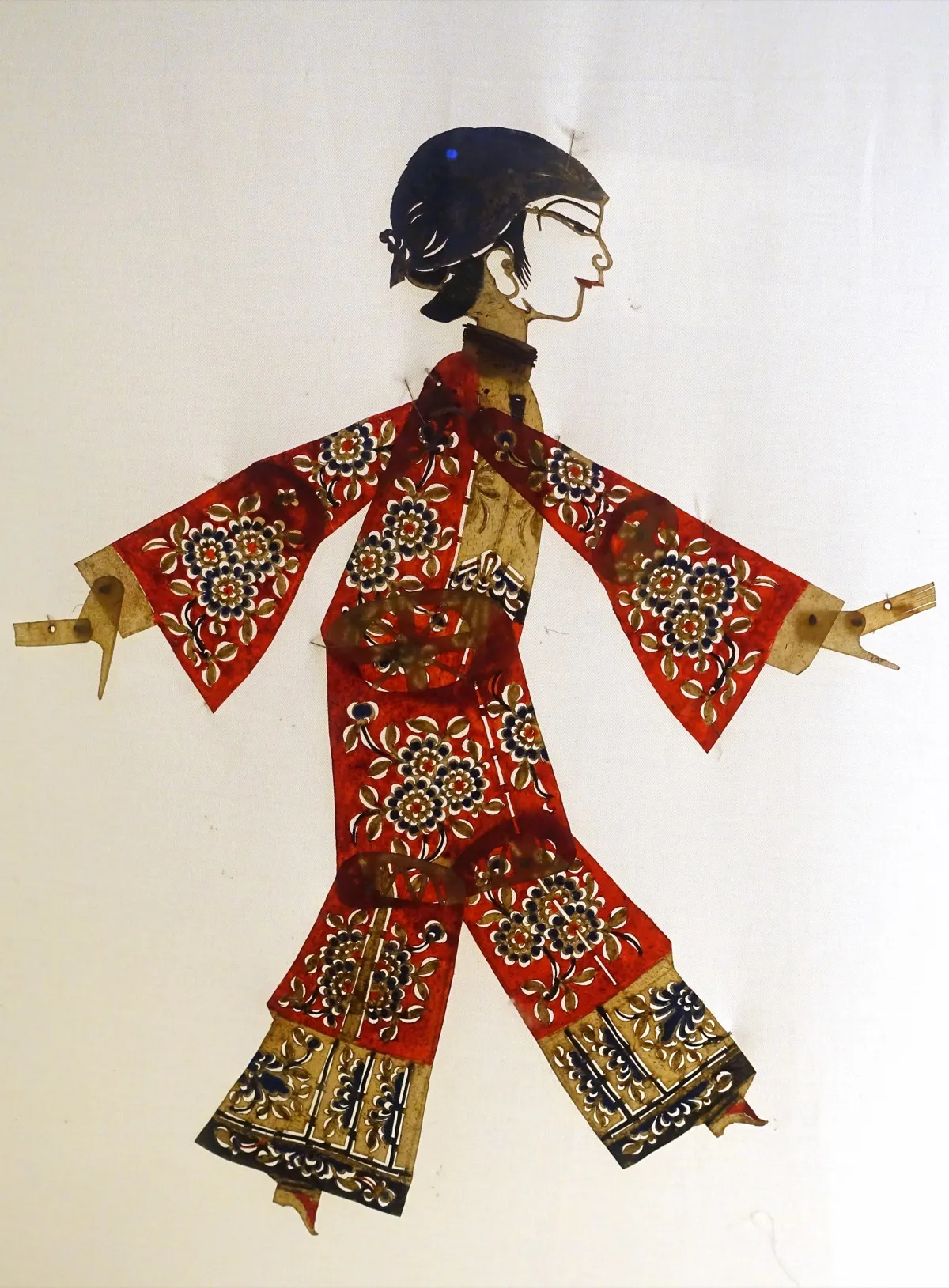
Why would a demon-eating fury of a god bother arranging a wedding for his sister? Behind this seemingly heartwarming tableau lies a linguistic riddle that has spanned a millennium, a Song dynasty loyalist's political allegory, and the most distinctive touch of humanity in all of Chinese folk religion.
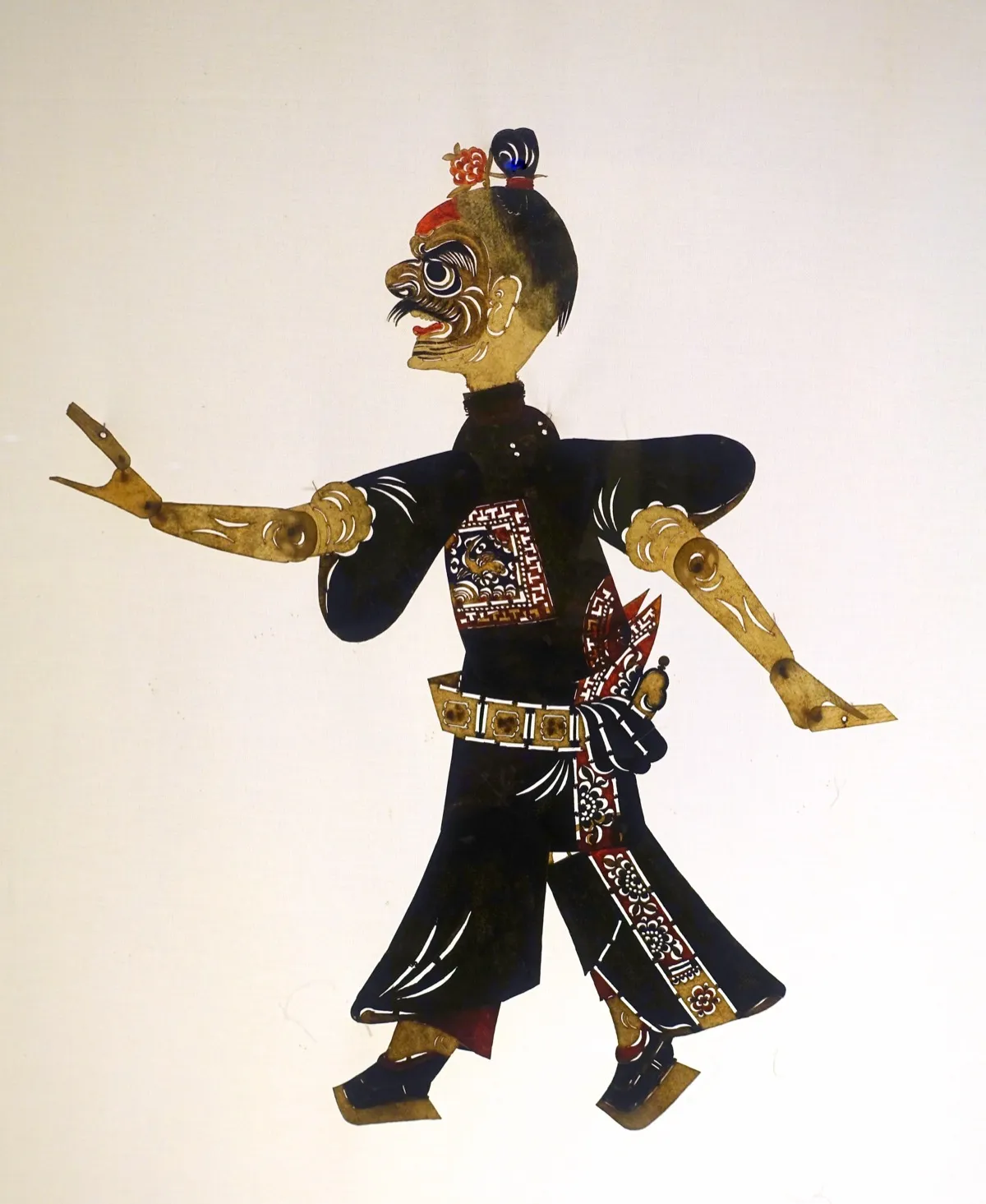
Marrying a Sister or Banishing Demons: The Thousand-Year Pun
The title "Zhong Kui Marries Off His Sister" may well be the most ingenious pun in the history of Chinese art.
Two Phrases, One Pronunciation
In Mandarin Chinese, "嫁妹" (jià mèi) means "to marry off a sister," while "嫁魅" (jià mèi) means "to banish demons." The two phrases sound virtually identical — the sole difference lies in the second character's tone, and even that distinction may have disappeared in the spoken language of the Song dynasty.
The Qing dynasty scholar Yu Yue was the first to point this out in his notebook collection Cha Xiang Shi San Chao (Three Drafts from the Tea-Fragrance Studio). Drawing on a passage from Wen Zhenheng's Zhang Wu Zhi (Treatise on Superfluous Things), a Ming-era guide to refined living that prescribed which Zhong Kui paintings to hang in different months, Yu Yue concluded that the original subject was almost certainly "banishing demons," not "marrying off a sister."
In other words, the earliest title was probably "Zhong Kui Drives Out Demons" — a straightforward exorcism scene. But as the phrase passed from mouth to ear, "banishing demons" was misheard as "marrying off a sister," and an apotropaic ritual was reborn as a wedding procession.
This misreading was not a mistake. It was a perfect act of cultural creation. "Marrying off a sister" added a layer of worldly warmth that "banishing demons" never had: the fearsome Ghost King had a family. He worried about his sister's marriage. That single imaginative leap transformed Zhong Kui from a cold instrument of exorcism into a brother of flesh and blood.
Why "Marrying" of All Words?
There is a deeper layer. The verb "嫁" (jià) in classical Chinese carries a double meaning. It denotes a woman leaving her natal home to marry, but it also means "to transfer" or "to push away" — as in the idiom "嫁祸于人," "to shift blame onto others." So "嫁魅" can be read as "to marry off the demons," that is, to expel them from one's household.
When "banishing demons" mutated into "marrying off a sister," the exorcism ritual became a wedding ritual, yet its core function — driving away evil — remained intact. A wedding is itself a form of exorcism: the bride crosses the threshold, and malevolent spirits retreat. When people hung the painting in their homes, it still warded off evil, only now it did so wrapped in a mantle of celebration.
That is the power of a pun in Chinese culture. It does not erase the original meaning; it stacks a new one on top. A single painting fulfills two purposes simultaneously — averting misfortune and conferring blessing. No wonder this subject became the most popular variant in the entire Zhong Kui canon.
The Story Behind the Painting: From Ghost King to Loving Brother
Although "marrying off a sister" almost certainly began as a phonetic misunderstanding, popular imagination wasted no time weaving a complete and moving tale around it.
Du Ping: Zhong Kui's Loyal Friend
The story begins during Zhong Kui's mortal life. According to Ming and Qing novels such as Zhan Gui Zhuan (Chronicle of Demon Slaying), when Zhong Kui set out for the imperial examinations in the capital, a fellow townsman named Du Ping traveled with him. Du Ping was honest and capable, and the two men looked after each other on the long road, forging a deep bond.
When Zhong Kui was stripped of the top examination honor because of his ugliness and dashed his head against the palace steps in despair, it was Du Ping who mourned him and ensured he received a proper burial. That act of loyalty Zhong Kui remembered after he became King of Ghosts.
The Ghost King Rescues His Sister
Once deified, Zhong Kui sensed from the spirit realm that something was wrong in the mortal world. His younger sister — a woman of great beauty — was being persecuted by a local tyrant who sought to force her into marriage.
Zhong Kui descended to the human realm at the head of a spectral retinue. His ghost soldiers carried a bridal sedan chair, lanterns, and a full trousseau. The sheer spectacle of a Ghost King's procession terrified the tyrant into flight. Zhong Kui then gave his sister's hand to Du Ping before returning to the underworld.
The story's architecture is remarkably clever. Zhong Kui does not simply beat up the villain. He repurposes his ghost army — the very force designed for hunting demons — to throw a magnificent wedding. The bully is routed not by swords but by the overwhelming pageantry of a ghost king's entourage, which is enough to scatter any mortal scoundrel.
Why Du Ping Matters
That the sister marries Du Ping — Zhong Kui's closest friend and the man who buried him — carries a double significance.
First, it is Zhong Kui repaying a debt of gratitude. Du Ping reached out when Zhong Kui was at his lowest; Zhong Kui returns the favor when he is at his most powerful.
Second, the marriage ensures that Zhong Kui's family and friendships continue in the mortal realm. Though he himself is dead, his loved ones are cared for by the best of his friends. It is the most comforting answer that popular storytelling could give to the finality of death.
Gong Kai and the Zhongshan Outing: A Loyalist's Allegory Hidden in a Ghost Painting
The earliest surviving painting on the theme of Zhong Kui traveling with his sister comes from the brush of Gong Kai (1222–1307), a painter of the late Song and early Yuan dynasty.
A Song Loyalist Who Refused to Serve the Mongols
Gong Kai, courtesy name Shengyu and studio name Cuiyan, was a native of Huaiyin. He came of age in the Southern Song dynasty with ambitions of serving his country, but his career never took off. When the Song fell to the Mongols in 1279, Gong Kai withdrew from public life entirely. He scraped by selling his paintings, channeling his bitterness at Yuan rule into his art.
His most famous work is Shou Ma Tu (Painting of an Emaciated Horse). A bony stallion plods forward, head low, mane streaming in the wind — gaunt, proud, unbowed. Gong Kai inscribed a poem on the scroll:
Once it descended from the heavenly pass through clouds and mist, Emptying the twelve imperial stables of the previous dynasty. Today, who pities such noble bones? At sunset on the sandy shore, its shadow looms like a mountain.
The "twelve stables of the previous dynasty" refers to the Song imperial stud farms. The magnificent warhorses are now skin and bone, with no one left to cherish them. This is not a painting of a horse. It is a painting of men — of loyalists like Gong Kai himself, abandoned in a conquered land.
Zhongshan Outing: Painting Ghosts to Paint People
Gong Kai's other masterpiece is Zhongshan Chuxing Tu (Zhongshan Outing Scroll), also known as Zhong Kui's Excursion or Zhong Kui Travels with His Sister, now in the collection of the Freer Gallery of Art in Washington, D.C. The hand scroll stretches over a meter and a half. Zhong Kui and his sister each ride in a sedan chair borne by ghost attendants. Behind them, nine demons lug baggage, wine jars, and sundry goods.
Gong Kai rendered his demons as emaciated, grotesque creatures — some barely more than skin stretched over bone, others with contorted faces. They wear loincloths and caps, classic depictions of "subjugated ghosts" forced into servitude.
These ghost attendants bear an uncanny resemblance to the bony horse of Shou Ma Tu — the same skeletal frames, the same posture of trudging forward under duress. Scholars have long argued that Gong Kai's demons are not merely Zhong Kui's servants but allegories for the Han Chinese population suffering under Mongol rule. Zhong Kui himself — the righteous power that vanquishes evil — embodies Gong Kai's yearning for someone to drive the Yuan "demons" from China.
A Wedding Procession That Is Really a Lament
On the surface, the Zhongshan Outing depicts a cheerful scene of Zhong Kui escorting his sister on an outing. Yet under Gong Kai's brush, the merriment is shot through with an inescapable melancholy. The ghost attendants may serve their king, but their skeletal bodies and strained, laboring postures silently voice a loyalist's grief.
This may be why Gong Kai chose to paint "marrying off a sister" rather than "slaying demons." The tender外壳 of a wedding procession was better suited to contain an exile's longing for his lost homeland. He had no need to paint a violent exorcism. Instead, he painted a slow-moving caravan — family and servants trudging along together — the image of a man in exile.
From Silk Scroll to Opera Stage: A Thousand Years of Evolution
After Gong Kai, "Zhong Kui Marries Off His Sister" became an enduring subject in Chinese art, taken up by celebrated painters in every generation.
The Painting Tradition
Ever since Wu Daozi established the visual paradigm for Zhong Kui in the Tang dynasty, Zhong Kui paintings sorted themselves into a handful of fixed categories: catching ghosts, slaying demons, going on procession, and marrying off a sister. Of these, the marriage subject stands alone for its festive atmosphere in a genre otherwise dominated by exorcism.
Among surviving masterpieces, the National Palace Museum in Taipei holds a painting attributed to the Song artist Su Hanchen titled Zhong Kui Marrying Off His Sister. The same museum also preserves Gong Kai's Zhong Kui the Ghost Catcher Moves House, another Zhong Kui-themed work.
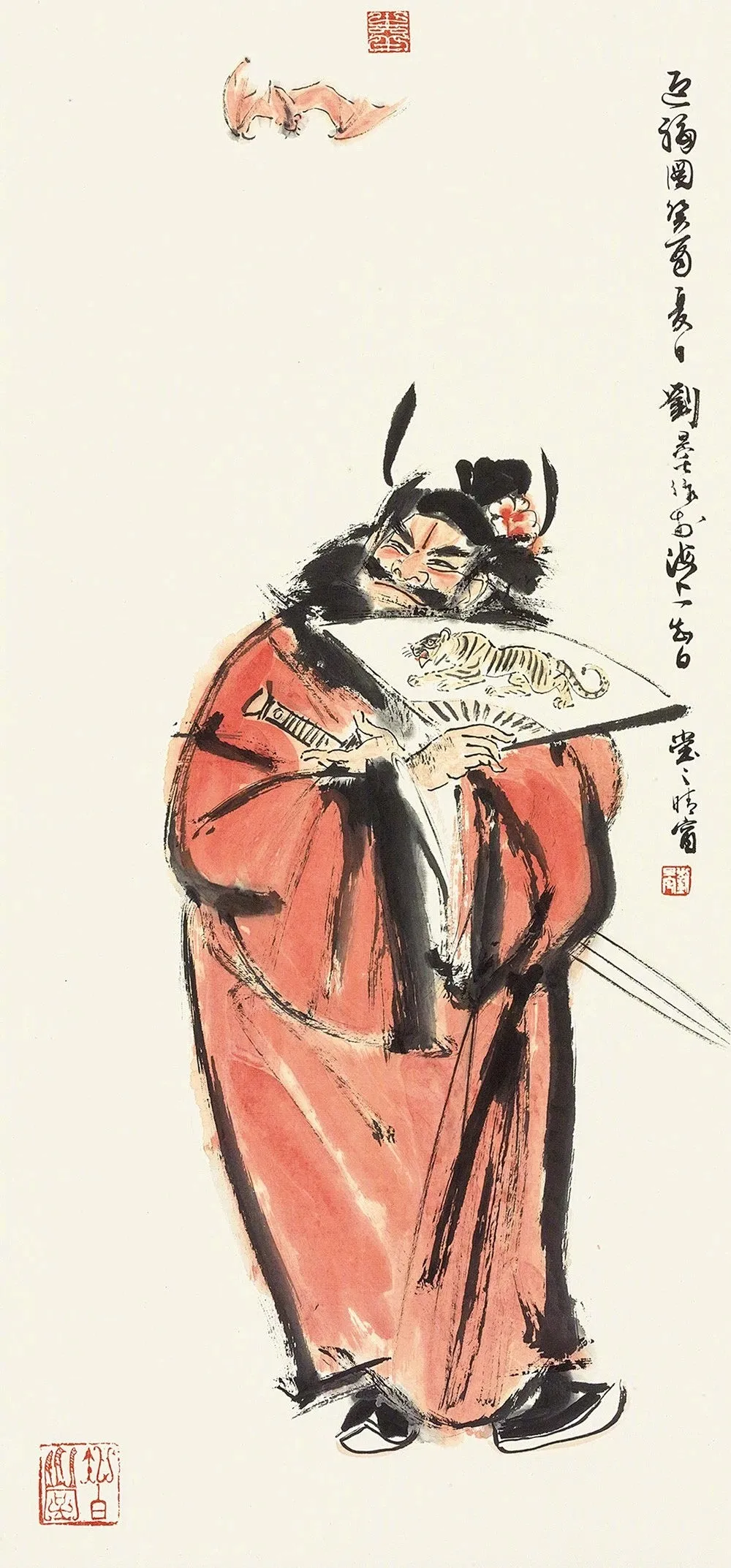
The classic composition of a "marrying off a sister" painting typically includes:
- Zhong Kui at the visual center, wearing a crimson or blue official robe and a black gauze cap, holding a folding fan or a sword
- Zhong Kui's sister seated in a bridal sedan chair or riding a donkey behind him
- A retinue of demons carrying banners and parasols, playing musical instruments, bearing the sedan chair and wedding gifts
- Bats hovering above — the word for bat, "蝠" (fú), is a homophone for "福" (fú), meaning good fortune
The spectacle of little demons parading with flags, umbrellas, drums, and sedan chairs gives a unique celebratory atmosphere to what is, at its core, a painting about demon-quelling. It is this quality that sets it apart from more fearsome Zhong Kui subjects such as Driving Away Evil at the Dragon Boat Festival or Zhong Kui Catches a Ghost.
The Five Demons and Their Symbolism
The most striking element of the painting is the retinue of bizarrely shaped demons surrounding Zhong Kui. These are not mere background decoration — each serves a specific symbolic function.
The most classic arrangement is the "Five Demons Carrying" motif. Five ghost attendants hold a lantern, a seal, a parasol, a horse's rein, and a gourd, respectively. This configuration carries two layers of meaning.
First layer: The five demons can subdue the Five Plague Gods. Chinese tradition recognized five seasonal plagues — spring, summer, autumn, winter, and a general plague — each presided over by a plague deity. The five ghost attendants were believed capable of vanquishing these five plagues, ensuring the household's safety.
Second layer: The five demons carry in wealth. In folk usage, "carrying" also suggests "transporting riches," so the Five Demons Carrying motif doubles as an omen of prosperity.
A bat usually appears in the painting as well. In Zhong Kui iconography the bat plays a dual role: by night it serves as Zhong Kui's scout, locating evil spirits and demons; symbolically, its name is a homophone for "blessing." Zhong Kui's twin functions — expelling evil and conferring good fortune — find their most direct visual expression in this single creature.
From Silk Scroll to Opera: The Story on Stage
The migration of "Zhong Kui Marries Off His Sister" from painting to opera marks a major turning point in the subject's dissemination. Regional theater traditions — Hebei Bangzi, Peking opera, Cantonese opera, and above all Kunqu — each brought their own artistic resources to the tale.
On the opera stage, the "marrying off a sister" episode offers unique pleasures:
- Ensemble ghost choreography: Actors playing the various demons carry the sedan chair, hoist lanterns, and bear banners in exaggerated, rhythmically precise movements — the visual climax of the entire production
- Zhong Kui's human side: Unlike the ferocious Ghost King of "demon-catching" plays, the Zhong Kui of the marriage play reveals tenderness and concern. The actor must project both "the authority of a Ghost King" and "the gentleness of a brother"
- Comic relief: The demons bumble through the mortal world causing comic mishaps; the villain, terrified out of his wits by the sight of ghosts, provides broad slapstick humor that lightens the otherwise solemn exorcism theme
The most celebrated stage version is the Kunqu opera Zhong Kui Marries Off His Sister, renowned for its lyrical singing and meticulous stagecraft. Zhong Kui's arias oscillate between a Ghost King's swagger — "Today I, Zhong Kui, am magnificent" — and a brother's ache — "Sister, your brother came too late." The interweaving of pride and regret gives the piece an emotional depth rare in ghost theater.
Why "Marrying Off a Sister" Endures: Tenderness Inside Terror
Why has this particular variant outshone all other Zhong Kui subjects to become the most beloved version of the story?
Humanizing the Ghost
Chinese ghost culture possesses a singular quality: ghosts are not necessarily pure agents of terror. They can have emotions, families, and ethical obligations. "Zhong Kui Marries Off His Sister" is the supreme example of this humanizing impulse.
Zhong Kui is the Ghost King. He commands eighty thousand ghost soldiers. His face is so terrifying it literally frightened an emperor to death. Yet this same fearsome being fusses over his sister's wedding. He uses his most formidable asset — his ghost army — to accomplish the most ordinary of tasks: giving his sister a proper send-off.
The contrast generates enormous dramatic energy and makes Zhong Kui three-dimensional and lovable. People fear ghosts, but they also want ghosts to feel. If even the Ghost King loves his sister, does that not make mortal bonds of kinship all the more precious?
Answering the Injustice of Appearance
The marriage story contains a subtle detail: Zhong Kui is hideous, yet his sister is beautiful. This contrast is not accidental. It answers the central injustice of the Zhong Kui legend — discrimination based on looks.
Zhong Kui lost the examination championship and took his own life because he was ugly. But in the marriage story, his ugliness is no longer a source of tragedy. It becomes the very source of his power to protect. Because he is fearsome enough, he can terrify a tyrant. Because he is the Ghost King, he can command a spectral army to throw a respectable wedding.
Appearance stole Zhong Kui's earthly glory, but it bestowed supernatural power upon him. This reversal is one of the most elegant forms of justice in Chinese folk narrative: the man persecuted for his looks ultimately uses the "defect" of his appearance to perform the warmest act of guardianship imaginable.
Where Exorcism Meets Blessing
From a practical standpoint, the marriage painting gained its immense popularity because it satisfies two needs at once — averting evil and conferring blessing.
Other Zhong Kui paintings only avert evil. Zhong Kui Catches a Ghost is ideal for hanging above the door to ward off spirits, but it feels out of place in a bridal chamber. Zhong Kui Marries Off His Sister, however — a Ghost King escorting his sister to her wedding — is naturally associated with marriage, celebration, and domestic happiness.
The painting thus became a multifunctional cultural symbol. Hung during Lunar New Year, it drives away evil. Displayed at a wedding, it bestows blessing. Pasted up when moving into a new house, it ushers in good fortune. A single image covers nearly every important occasion in life that calls for both protection and good wishes.
A Thousand Years of Echoes
From Gong Kai's Zhongshan Outing in the Southern Song, to the Kunqu and Peking opera stages of the Ming and Qing, to contemporary ceramics, textiles, and digital art bearing the marriage motif, the subject has persisted for close to a thousand years.
In 2013, the scholar Jiang Naihan published "The Evolution and Cultural Significance of the Zhong Kui Marrying Off His Sister Story" in the journal Studies of Ethnic Literature, tracing the full arc from linguistic pun to folk narrative. The Taiwanese writer Gao Fengyu, in her essay "The Tenderness in Zhong Kui Marries Off His Sister," analyzed the figure's dual identity as god and human being.
The subject endures because it touches something primal in the Chinese cultural psyche: even the most fearsome being harbors a softness; even the most terrifying world needs a glimmer of warmth. Zhong Kui marrying off his sister — whether it began as "banishing demons" or "marrying a sister" — embodies a single, persistent hope: that ghosts can be reasoned with, that power can be used to protect, and that behind the most frightening exterior there can always hide a tender heart.
References:
- Yu Yue, Cha Xiang Shi San Chao (Three Drafts from the Tea-Fragrance Studio), juan 20
- Wen Zhenheng, Zhang Wu Zhi (Treatise on Superfluous Things)
- Jiang Naihan, "The Evolution and Cultural Significance of the Zhong Kui Marrying Off His Sister Story," Studies of Ethnic Literature, 2013, no. 5, pp. 162–168
- Gao Fengyu, "The Tenderness in Zhong Kui Marries Off His Sister: The Divine and Human Dimensions of Zhong Kui," Taiwan Traditional Arts Magazine, December 2021
- Gong Kai, Zhongshan Chuxing Tu (Zhongshan Outing Scroll), Freer Gallery of Art, Washington, D.C.
- Attributed to Su Hanchen, Zhong Kui Marrying Off His Sister, National Palace Museum, Taipei
- Gong Kai, Zhong Kui the Ghost Catcher Moves House, National Palace Museum, Taipei
- Liu Xiaofen and Zhong Wenshan, An Analysis of the Zhong Kui Myth and Literature, Lingnan University, 2009